
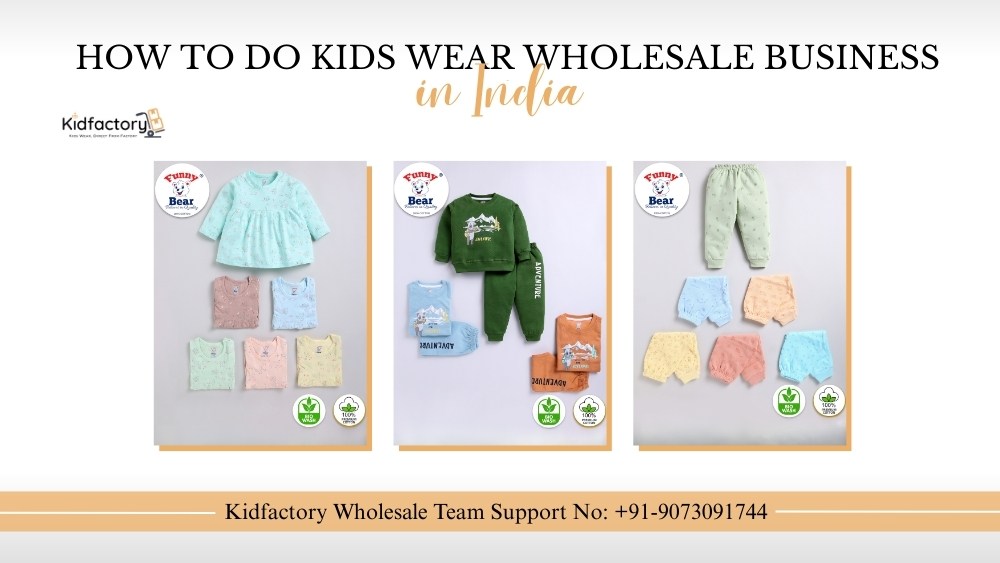
Launching a kidswear business in India presents a promising opportunity for entrepreneurs due to the rapid growth of the kidswear market. This segment of the children’s apparel industry is expanding swiftly, demonstrating a steady demand for a diverse range of clothing options. There is a consistent demand for a wide range of children’s clothing, from essential items for newborns to fashionable outfits for toddlers. Modern parents are increasingly on the lookout for clothing that combines comfort, style, and affordability for their children. This trend indicates a favorable landscape for entering the kidswear sector in India. Whether you choose to establish retail clothing stores or engage in reselling children’s apparel from home, the wholesale kidswear market offers huge potential for growth and success.
If you’re interested in starting a retail shop or reselling kidswear from home, this comprehensive guide outlines the essential steps you need to take. It covers everything from obtaining the necessary licenses and sourcing products to understanding profit margins and selecting the most effective sales channels. So, in this article, we will share how to do kids wear wholesale business in India – a step-by-step guide for retailers:
Step 1: Get the Right Business Licenses
Before you start selling kids’ clothing in bulk or at retail, make sure to set up your business legally.
- Business Structure – If you’re starting small, consider choosing a sole proprietorship. However, if you plan to expand in the future, it is advisable to register as a partnership or a private limited company.
- GST Registration – This is required if your annual turnover exceeds ₹40 lakh or if you intend to sell products on platforms such as Amazon, Flipkart, Snapdeal, or Meesho.
- Shop & Establishment License – This license is necessary if you are opening a physical retail store.
- Trade License – Don’t forget to check in with your local municipal authority to see if there are any extra requirements you should know about!
Tips for resellers: If you’re starting from home and selling on WhatsApp or Instagram, GST registration and a sole proprietorship are usually enough to get started.
Step 2: Source Kids Wear Products
Your success relies on finding quality products at the right prices.
- Wholesale Hubs in India – Key markets for wholesale kidswear include Kolkata (specifically Burrabazar and Phool Bagan), Surat, Tirupur, and Mumbai.
- Direct Manufacturers – Working directly with manufacturers, distributors ensure consistent quality and higher profit margins.
- B2B Wholesale Platforms – Online suppliers, such as Kidfactory.in, facilitate bulk purchases of cotton kidswear for children aged 0 to 5 years, making it easier for retailers and wholesalers.
- Local Wholesalers – Local wholesalers are a great option for testing the market or starting with smaller quantities.
Pro Tip: Checking fabric quality is always your top priority! Opt for 100% pure cotton—it’s soft, breathable, perfect, and for Kids.
Read: How to Choose the Right Wholesale Kidswear Supplier in India
Step 3: Calculate Margins in Kidswear Wholesale
Kids’ clothing provides higher profit margins compared to many other categories in fashion.
- Retail Margins – Typically range from 25% to 40%, depending on your supplier and location.
- Branded vs. Unbranded – Branded clothing tends to sell faster but usually offers lower to moderate profit margins, but gives quality assurance. Unbranded clothing can provide better margins, but it lacks quality assurance and requires significant trust-building with customers.
- Seasonal Demand – Events such as festivals, birthdays, and the back-to-school season drive higher sales, leading to greater profits.
Smart Strategy: Keep the perfect balance between your daily-wear essentials and eye-catching festive fashion items! This dynamic combo will help boost your regular and seasonal sales.
Step 4: Choose the Right Sales Channels
You can use multiple channels for sales. Successful retailers combine offline and online sales.
- Retail Store – A local shop helps to build customer loyalty and trust within the community.
- Home-Based Reselling – Many entrepreneurs begin by selling through platforms like WhatsApp, Instagram, and Facebook Marketplace.
- E-commerce Platforms – Websites such as Amazon, Flipkart, Meesho, Snapdeal, and Jiomart are powerful tools for expanding your business nationwide.
- Supplying to Other Retailers – If you purchase in large quantities, you can supply smaller retailers, resellers in your area.
Quick Tip: Register on Google My Business to be found when parents search for “kidswear shop near me.” This will help you attract local buyers easily.
Step 5: Marketing & Brand Building
In the kidswear industry, trust and visibility are essential.
- Social Media Marketing – Utilize Instagram Reels, kids photoshoots, and trending posts to engage and attract parents.
- Festive Collections – Introduce special collections for Diwali, Durga Puja, Eid, and Christmas.
- Word of Mouth – Provide referral bonuses and loyalty discounts to encourage repeat purchases.
- Online Authority – Create a simple website or blog to establish credibility and attract wholesale leads.
Final Thoughts
Launching a kidswear wholesale business in India is not just a smart move; it’s a golden opportunity that promises profitability and sustainability for the future! With the right licenses, dependable suppliers, strategic pricing, and effective sales channels, you can establish a successful retail or reselling venture. The key is to start small, emphasize quality, and gradually expand as your customer base increases.
FAQs on Kids Wear Wholesale Business in India
You can start a small retail business with ₹1–2 lakh, while larger wholesale stores may require ₹10 lakh or more.
GST registration is mandatory if your turnover exceeds ₹40 lakh or if you intend to sell on e-commerce marketplaces.
Kolkata, Tirupur, Surat, and Mumbai are prominent centers for wholesale kidswear.
Margins typically range from 25% to 40%, depending on the sourcing.
Many resellers start their businesses from home by using platforms like WhatsApp, Instagram, or Facebook Marketplace.